Winter in Connecticut is no joke, and your roof takes the brunt of it. Heavy snow, ice dams, freezing rain, and wild temperature swings can all do damage, especially if your roof was already worn heading into the season. A little preparation in the fall can save you from leaks, ice buildup, and expensive repairs once the cold sets in. The best time to prepare your roof for winter is before the first big snow, while the weather's still mild enough to spot and fix problems. You don't need to be a roofing expert to get started. A lot of winter prep is about checking the right things and handling small issues before they grow. In this guide, we'll cover the key steps to protect your roof through a Connecticut winter, from clearing gutters to watching for ice dams. And if you'd rather have a pro handle it, Rex Construction offers roof inspections for homeowners in Connecticut.
Clean Out Your Gutters First
Gutters might not be the first thing you think of, but they're one of the most important. When gutters are clogged with leaves and debris, water can't drain properly. In winter, that trapped water freezes, adds weight, and contributes to ice dams along the edge of your roof. Ice dams force melting snow back up under your shingles, where it can leak into your home. Before winter hits, clear your gutters and downspouts so water can flow freely. While you're at it, check that the gutters are still firmly attached and pitched correctly. If they're sagging or pulling away, they won't do their job when the snow starts to melt. Clean, working gutters are your first line of defense against winter water damage.
Inspect Your Shingles and Flashing
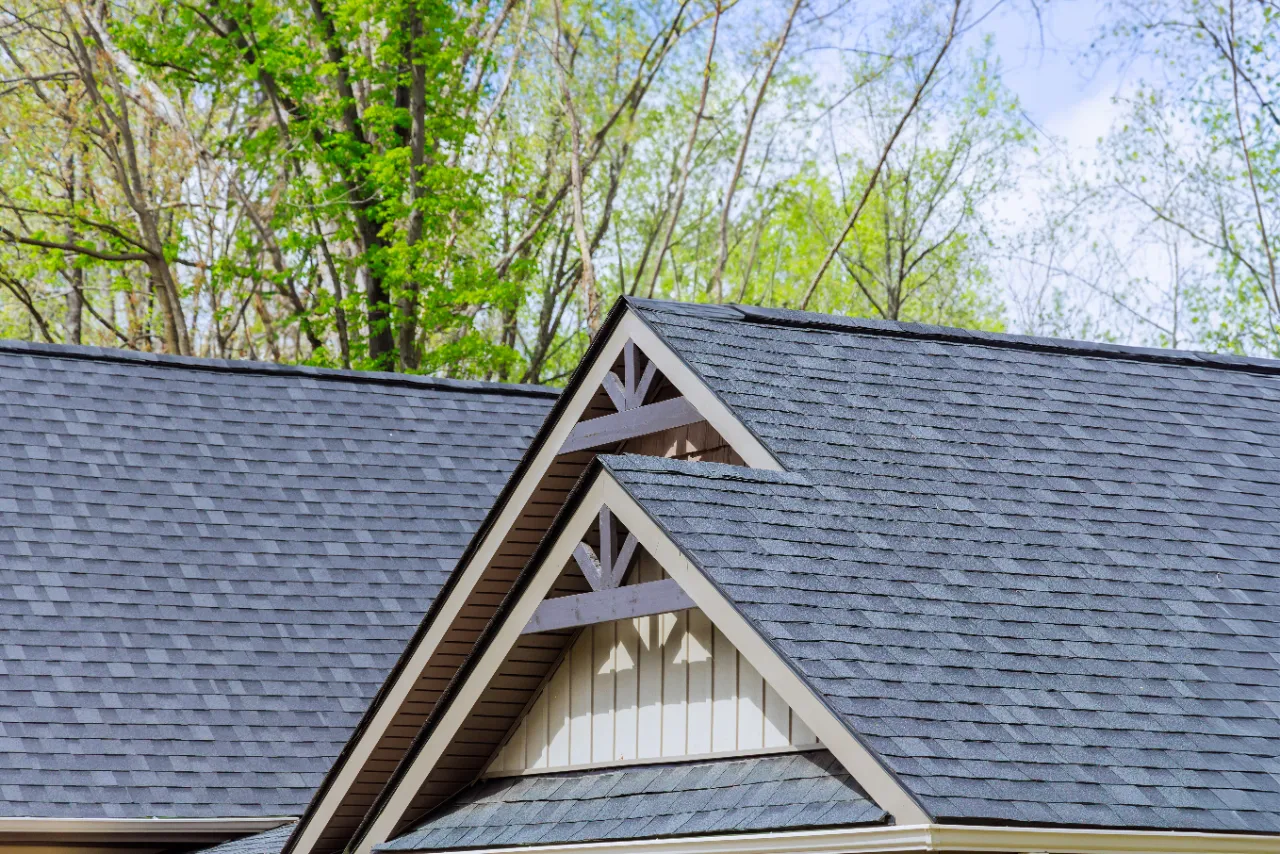
Fall is the perfect time to give your roof a good look. From the ground or a safe vantage point, scan for shingles that are cracked, curling, loose, or missing. Damaged shingles let water in, and winter only makes that worse. Pay special attention to the flashing, which is the metal that seals areas around chimneys, vents, and where the roof meets walls. Flashing is a common spot for leaks, and it's easier to fix now than in January. If you spot problem areas, get them repaired before the snow arrives. A few dollars of repairs in the fall can prevent a much bigger mess once ice and water start working their way in. If you're not comfortable checking it yourself, a quick professional inspection covers all of this.
Watch for Ice Dams and Attic Issues
Ice dams are one of the biggest winter roof problems in Connecticut. They form when heat escaping from your attic melts snow on the roof, which then refreezes at the colder edges. That ridge of ice traps water, which backs up and finds its way inside. The best defense starts in your attic. Good insulation and ventilation keep your roof deck cold and even, which helps prevent that melt-refreeze cycle. Before winter, check that your attic insulation is in good shape and that vents aren't blocked. If you've had ice dams before, that's a strong sign your attic needs attention. Fixing the airflow and insulation now can stop ice dams from coming back and save you from leaks and interior damage all winter long.
Handle Repairs Before the Snow
The theme of winter prep is simple. Small problems are cheap and easy to fix in the fall, but they get expensive fast once winter sets in. A loose shingle is a quick repair in October. That same shingle can lead to a leak, water-stained ceilings, and mold by February. That's why it pays to handle any known issues now, while crews can work safely and materials go on easily in mild weather. If your roof is older or you've been putting off repairs, a pre-winter inspection is a smart move. It gives you a clear picture of your roof's condition and a chance to fix weak spots before the first storm. A little effort now buys you a lot of peace of mind.